Meet the 2022-23 Accenture Fellows This year's fellows, including an HST student, will work across research areas including telemonitoring, human-computer interactions, operations research, AI-mediated socialization, and chemical transformations. Kate Hodgins wins HMS award for excellence in medical education The Richard A. Gillis Award for Excellence in Medical Education is given to those who exemplify the standards of excellence of the MD program at Harvard Medical School Large language models help decipher clinical notes Researchers, including an HST faculty member, used a powerful deep-learning model to extract important data from electronic health records that could assist with personalized medicine. Are Covid-19 “comas” signs of a protective hibernation state? Scientists hypothesize that, as in a hibernating turtle, the brain under sedation and deprived of oxygen may assume a protective state. Nanosensors target enzymes to monitor and study cancer By analyzing enzyme activity at the organism, tissue, and cellular scales, new sensors could provide new tools to clinicians and cancer researchers. Pagination First page « First Previous page Previous … Page 39 Page 40 Page 41 Current page 42 Page 43 Page 44 Page 45 … Next page Next Last page Last »
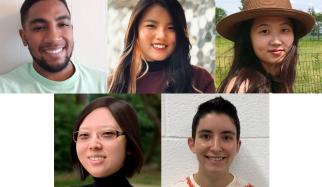
Meet the 2022-23 Accenture Fellows This year's fellows, including an HST student, will work across research areas including telemonitoring, human-computer interactions, operations research, AI-mediated socialization, and chemical transformations.
Kate Hodgins wins HMS award for excellence in medical education The Richard A. Gillis Award for Excellence in Medical Education is given to those who exemplify the standards of excellence of the MD program at Harvard Medical School
Large language models help decipher clinical notes Researchers, including an HST faculty member, used a powerful deep-learning model to extract important data from electronic health records that could assist with personalized medicine.
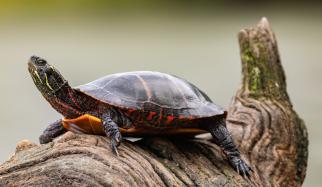
Are Covid-19 “comas” signs of a protective hibernation state? Scientists hypothesize that, as in a hibernating turtle, the brain under sedation and deprived of oxygen may assume a protective state.
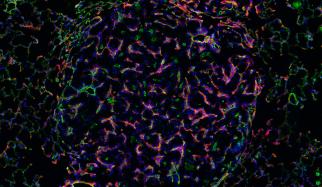
Nanosensors target enzymes to monitor and study cancer By analyzing enzyme activity at the organism, tissue, and cellular scales, new sensors could provide new tools to clinicians and cancer researchers.