HST students share their reflections on responding to Covid-19 A group of HST students have found an effective and innovative way to use their talents to battle the serious threats of the pandemic to healthcare workers on the frontlines. Forty-five students graduate as part of the HST Class of 2020 On Wednesday, May 27, the Harvard-MIT Program in Health Sciences and Technology (HST) held its first ever online graduation ceremony and celebration. HST MEMP PhD graduate Erica Mason appreciates a multi-disciplinary approach to research She plans to continue her research in early fundamental physics questions of imaging technology at the MGH Martinos Center for Biomedical Imaging as a Postdoctoral Researcher. HST MD graduate Selena Li plans a future as an academic cardiac surgeon Selena Li, HST MD graduate, deepened her appreciation for the patient-doctor relationship and the need for systems-based, sustainable solutions in global health while working with refugees in Greece. One student's approach to pitching in on the pandemic response Sophia Liu finds a unique way to help with Covid-19 relief efforts. Pagination First page « First Previous page Previous … Page 75 Page 76 Page 77 Current page 78 Page 79 Page 80 Page 81 … Next page Next Last page Last »
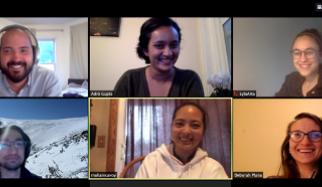
HST students share their reflections on responding to Covid-19 A group of HST students have found an effective and innovative way to use their talents to battle the serious threats of the pandemic to healthcare workers on the frontlines.
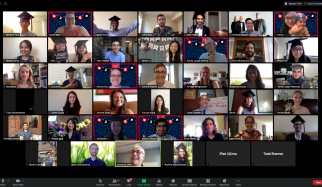
Forty-five students graduate as part of the HST Class of 2020 On Wednesday, May 27, the Harvard-MIT Program in Health Sciences and Technology (HST) held its first ever online graduation ceremony and celebration.
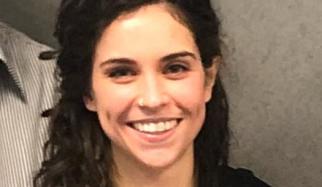
HST MEMP PhD graduate Erica Mason appreciates a multi-disciplinary approach to research She plans to continue her research in early fundamental physics questions of imaging technology at the MGH Martinos Center for Biomedical Imaging as a Postdoctoral Researcher.
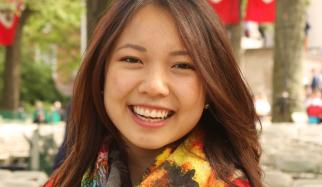
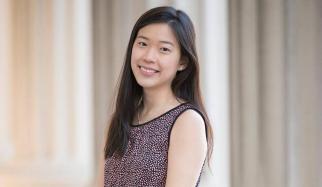
HST MD graduate Selena Li plans a future as an academic cardiac surgeon Selena Li, HST MD graduate, deepened her appreciation for the patient-doctor relationship and the need for systems-based, sustainable solutions in global health while working with refugees in Greece.
One student's approach to pitching in on the pandemic response Sophia Liu finds a unique way to help with Covid-19 relief efforts.