New research on disposable N95 masks and potential sterilization methods Disposable N95 Masks Pass Qualitative Fit-Test But Have Decreased Filtration Efficiency after Cobalt-60 Gamma Irradiation Outpouring of support from MIT’s worldwide community bolsters Institute’s Covid-19 response Members of the MIT community living all over the world have reached out to offer support for the Institute’s response to the Covid-19 pandemic, prompting the creation of two new funds to support MIT’s efforts to help address the public health crisis. MIT-affiliated companies, including some with founders who are faculty members at HST and IMES, take on COVID-19 As the world grapples with the public health crises and myriad disruptions brought on by the COVID-19 pandemic, many efforts, including at companies affiliated with MIT, are working to address its impact. A new way to prepare graduate students to lead in tech An advisory group comprised of MIT graduate students, including two HST MEMP PhD students, has led to a new graduate certificate offered through the Bernard M. Gordon-MIT Engineering Leadership Program will launch this fall. Students take action to respond to the challenge of Covid-19 A team of students from Harvard Medical School, including a number of HST MD and MD-PhD students, responded quickly to organize grassroots efforts against the Covid-19 pandemic. They identified two main opportunities for impact: activism and education. Pagination First page « First Previous page Previous … Page 79 Page 80 Page 81 Current page 82 Page 83 Page 84 Page 85 … Next page Next Last page Last »
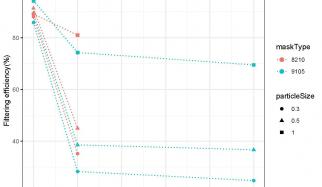
New research on disposable N95 masks and potential sterilization methods Disposable N95 Masks Pass Qualitative Fit-Test But Have Decreased Filtration Efficiency after Cobalt-60 Gamma Irradiation
Outpouring of support from MIT’s worldwide community bolsters Institute’s Covid-19 response Members of the MIT community living all over the world have reached out to offer support for the Institute’s response to the Covid-19 pandemic, prompting the creation of two new funds to support MIT’s efforts to help address the public health crisis.
MIT-affiliated companies, including some with founders who are faculty members at HST and IMES, take on COVID-19 As the world grapples with the public health crises and myriad disruptions brought on by the COVID-19 pandemic, many efforts, including at companies affiliated with MIT, are working to address its impact.
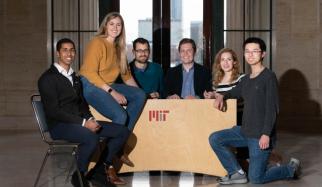
A new way to prepare graduate students to lead in tech An advisory group comprised of MIT graduate students, including two HST MEMP PhD students, has led to a new graduate certificate offered through the Bernard M. Gordon-MIT Engineering Leadership Program will launch this fall.
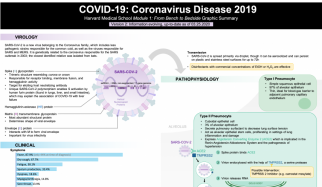
Students take action to respond to the challenge of Covid-19 A team of students from Harvard Medical School, including a number of HST MD and MD-PhD students, responded quickly to organize grassroots efforts against the Covid-19 pandemic. They identified two main opportunities for impact: activism and education.