Injectable “satellite livers” could offer an alternative to liver transplantation The engineered tissue grafts could take on the liver’s function and help thousands of people with liver failure. Using synthetic biology and AI to address global antimicrobial resistance threat Driven by overuse and misuse of antibiotics, drug-resistant infections are on the rise, while development of new antibacterial tools has slowed. AI algorithm enables tracking of vital white matter pathways Opening a new window on the brainstem, a new tool reliably and finely resolves distinct nerve bundles in live diffusion MRI scans, revealing signs of injury or disease. 3 Questions: Using AI to accelerate the discovery and design of therapeutic drugs Professor James Collins discusses how collaboration has been central to his research into combining computational predictions with new experimental platforms. Secrets of the sleep-deprived brain If you find it hard to focus after a wakeful night, it’s because your brain is busy trying to catch up on crucial housekeeping. Pagination First page « First Previous page Previous … Page 3 Page 4 Page 5 Current page 6 Page 7 Page 8 Page 9 … Next page Next Last page Last »
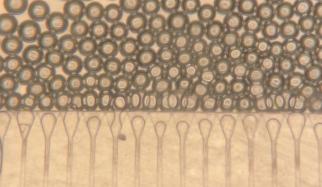
Injectable “satellite livers” could offer an alternative to liver transplantation The engineered tissue grafts could take on the liver’s function and help thousands of people with liver failure.
Using synthetic biology and AI to address global antimicrobial resistance threat Driven by overuse and misuse of antibiotics, drug-resistant infections are on the rise, while development of new antibacterial tools has slowed.
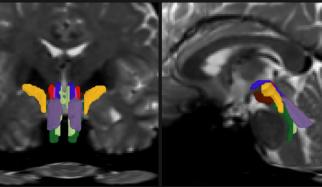
AI algorithm enables tracking of vital white matter pathways Opening a new window on the brainstem, a new tool reliably and finely resolves distinct nerve bundles in live diffusion MRI scans, revealing signs of injury or disease.
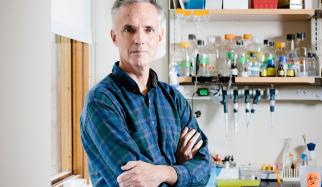
3 Questions: Using AI to accelerate the discovery and design of therapeutic drugs Professor James Collins discusses how collaboration has been central to his research into combining computational predictions with new experimental platforms.
Secrets of the sleep-deprived brain If you find it hard to focus after a wakeful night, it’s because your brain is busy trying to catch up on crucial housekeeping.