MIT scientists, including an HST faculty member, investigate memorization risk in the age of clinical AI New research, including at IMES, demonstrates how AI models can be tested to ensure they don’t cause harm by revealing anonymized patient health data. Why it’s critical to move beyond overly aggregated machine-learning metrics New research detects hidden evidence of mistaken correlations — and provides a method to improve accuracy. AI-generated sensors open new paths for early cancer detection Nanoparticles coated with molecular sensors could be used to develop at-home tests for many types of cancer. Study: High-fat diets make liver cells more likely to become cancerous New research suggests liver cells exposed to too much fat revert to an immature state that is more susceptible to cancer-causing mutations. IMES community profile: Jessica DeVilla Jessica DeVilla, HST MEMP PhD student in bioengineering, is working in two labs, one at Dana-Farber, one at Harvard, and she hopes her research into the efficacy of adoptive cellular therapies (ACT) will improve the treatment of cancer. Pagination First page « First Previous page Previous … Page 4 Page 5 Page 6 Current page 7 Page 8 Page 9 Page 10 … Next page Next Last page Last »
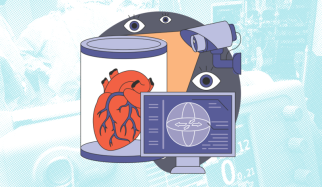
MIT scientists, including an HST faculty member, investigate memorization risk in the age of clinical AI New research, including at IMES, demonstrates how AI models can be tested to ensure they don’t cause harm by revealing anonymized patient health data.
Why it’s critical to move beyond overly aggregated machine-learning metrics New research detects hidden evidence of mistaken correlations — and provides a method to improve accuracy.
AI-generated sensors open new paths for early cancer detection Nanoparticles coated with molecular sensors could be used to develop at-home tests for many types of cancer.
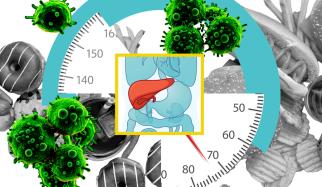
Study: High-fat diets make liver cells more likely to become cancerous New research suggests liver cells exposed to too much fat revert to an immature state that is more susceptible to cancer-causing mutations.
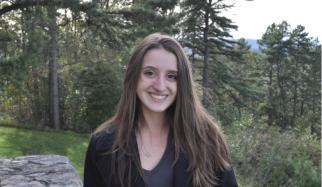
IMES community profile: Jessica DeVilla Jessica DeVilla, HST MEMP PhD student in bioengineering, is working in two labs, one at Dana-Farber, one at Harvard, and she hopes her research into the efficacy of adoptive cellular therapies (ACT) will improve the treatment of cancer.