Toward a future that preserves benefits of neurotechnology for all HST MEMP PhD student Rachel Sava, winner of the Envisioning the Future of Computing Prize, explores transformative improvements and dystopian risks of neural technology. Diana Grass: Listening to the body’s language The PhD candidate builds soft bioelectronic technologies to decode signals between the brain and the rest of the body. Emery Brown, Daniel Hastings, and Douglas Lauffenburger named Institute Professors Longtime professors and experts in the fields of anesthesiology, aerospace engineering, and biological engineering, respectively, receive MIT’s highest faculty honor. HST MEMP grad Favour Obuseh’s goal is to become a medical oncologist The Texas native says his goal is to wake up every day, excited by the possibilities, and working to improve human health. HST MEMP, MD grad Adam Berger goes on to a residency in pediatrics Berger says that research becomes more rewarding when you can ask, and answer, your own scientific questions. Pagination First page « First Previous page Previous Page 1 Current page 2 Page 3 Page 4 Page 5 Page 6 Page 7 … Next page Next Last page Last »
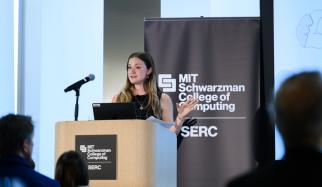
Toward a future that preserves benefits of neurotechnology for all HST MEMP PhD student Rachel Sava, winner of the Envisioning the Future of Computing Prize, explores transformative improvements and dystopian risks of neural technology.
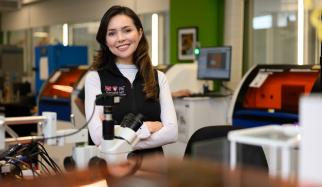
Diana Grass: Listening to the body’s language The PhD candidate builds soft bioelectronic technologies to decode signals between the brain and the rest of the body.
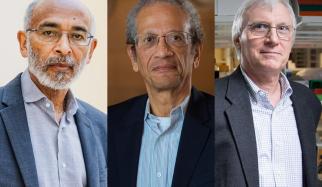
Emery Brown, Daniel Hastings, and Douglas Lauffenburger named Institute Professors Longtime professors and experts in the fields of anesthesiology, aerospace engineering, and biological engineering, respectively, receive MIT’s highest faculty honor.
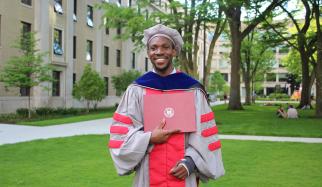
HST MEMP grad Favour Obuseh’s goal is to become a medical oncologist The Texas native says his goal is to wake up every day, excited by the possibilities, and working to improve human health.
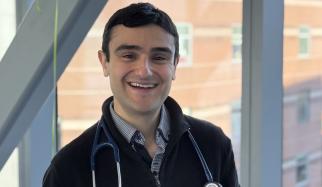
HST MEMP, MD grad Adam Berger goes on to a residency in pediatrics Berger says that research becomes more rewarding when you can ask, and answer, your own scientific questions.