Custom, 3D-printed heart replicas look and pump just like the real thing The soft robotic models are patient-specific and could help clinicians zero in on the best implant for an individual. Understanding going under By unlocking the secrets of anesthesia, Emery N. Brown, former HST co-director and current faculty member, could help shed light on brain diseases, hibernation, and possibly even human consciousness. Ingestible sensor could help doctors pinpoint GI difficulties The sensor sends out its location as it moves through the GI tract, revealing where slowdowns in digestion may occur. Inside two MIT students’ historic BattleBots runs PhD students Lucy Du ’14, SM ’16 and HST MEMP PhD student, Ginger Schmidt, are crushing the competition — and gender barriers — in the world of televised robot combat. How to make hydrogels more injectable A new computational framework could help researchers, including some affiliated with HST and IMES, design granular hydrogels to repair or replace diseased tissues. Pagination First page « First Previous page Previous … Page 35 Page 36 Page 37 Current page 38 Page 39 Page 40 Page 41 … Next page Next Last page Last »
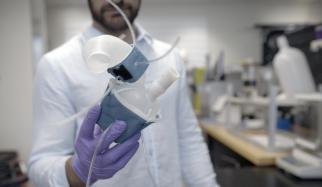
Custom, 3D-printed heart replicas look and pump just like the real thing The soft robotic models are patient-specific and could help clinicians zero in on the best implant for an individual.
Understanding going under By unlocking the secrets of anesthesia, Emery N. Brown, former HST co-director and current faculty member, could help shed light on brain diseases, hibernation, and possibly even human consciousness.
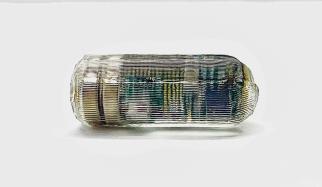
Ingestible sensor could help doctors pinpoint GI difficulties The sensor sends out its location as it moves through the GI tract, revealing where slowdowns in digestion may occur.
Inside two MIT students’ historic BattleBots runs PhD students Lucy Du ’14, SM ’16 and HST MEMP PhD student, Ginger Schmidt, are crushing the competition — and gender barriers — in the world of televised robot combat.
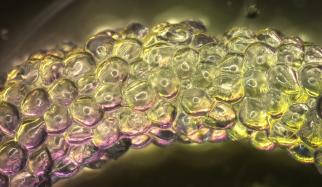
How to make hydrogels more injectable A new computational framework could help researchers, including some affiliated with HST and IMES, design granular hydrogels to repair or replace diseased tissues.